Deficits
in Music Perception
Music perception depends on precise coordination between the ears, auditory pathways, and multiple brain regions.
Types of Deficits in Music Perception
Congenital and AcquireAmusia
Absolute Pitch Deficits
Beat Deafness
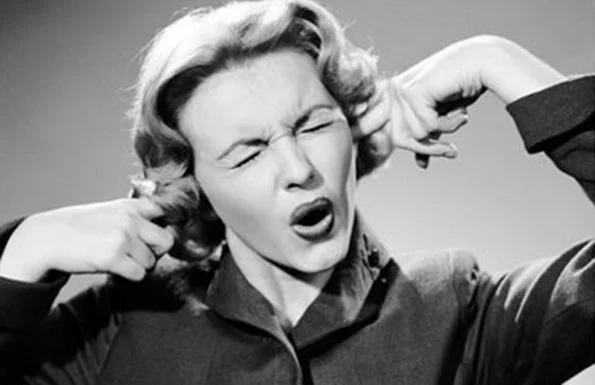
“Tone Deafness”
Congenital Amusia
Lifelong difficulty perceiving small differences in pitch.
Poor ability to detect out-of-tune notes
Impaired melody discrimination
Problems with singing in tune
Normal speech perception and normal hearing
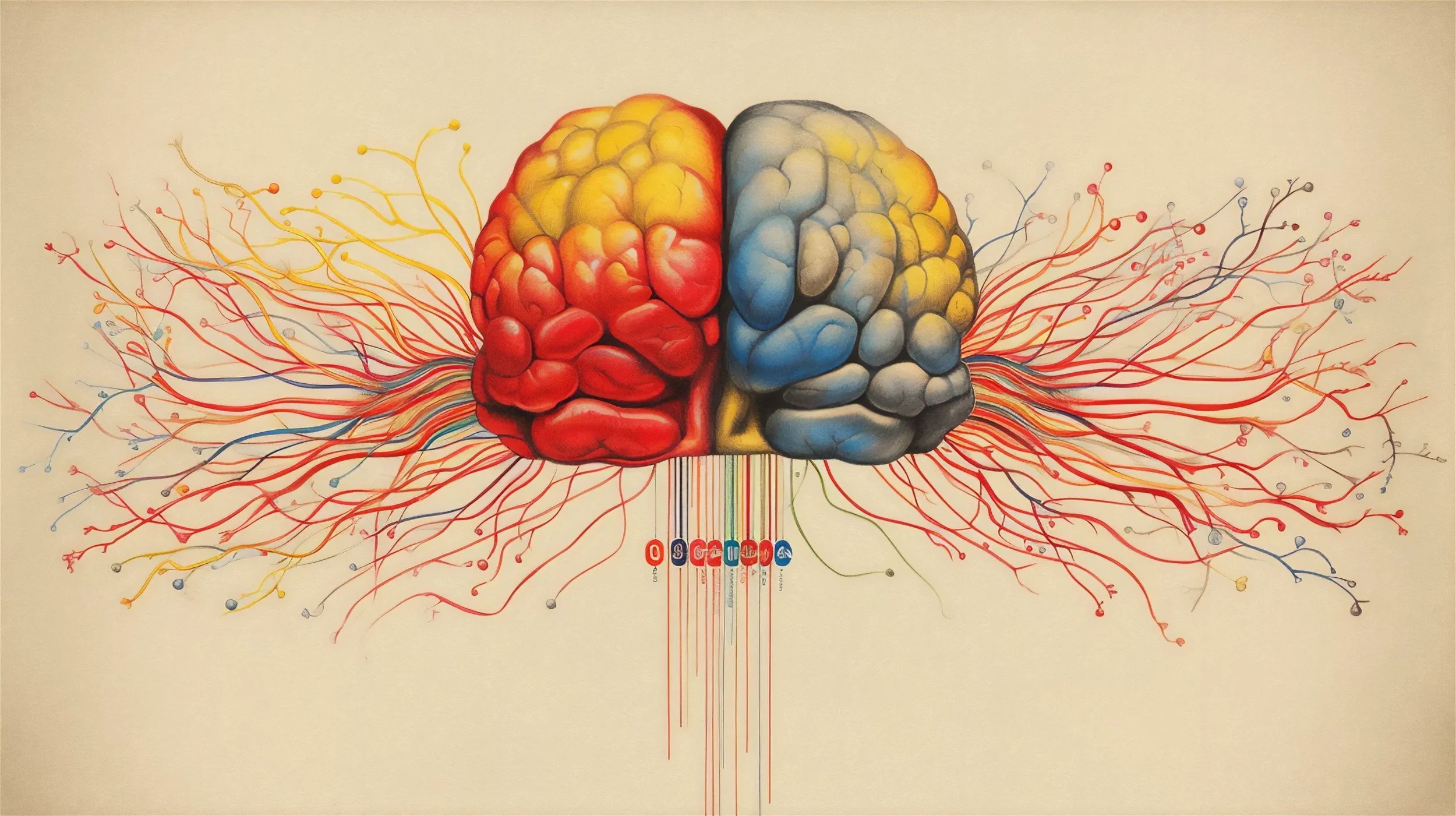
Acquired Amusia
Not developmental. It happens after brain injury
Different regions support different parts of music perception:
If right temporal lobe is damaged:
Poor pitch discrimination
Difficulty recognizing melodies
If right inferior frontal regions are damaged:
Problems with musical syntax (structure of melodies)
Difficulty holding melodies in memory
If damage is bilateral:
Severe, widespread impairment
May include problems identifying sounds in general (auditory agnosia)
Beat Deafness
What it looks like
Cannot clap or walk in time with music
Beat feels “invisible” even when the person tries
Rhythm reproduction is inconsistent
Difficulty predicting “when the next beat will happen”
What is still normal
Language
Pitch perception
General hearing
Neural explanation
Beat perception relies on a timing network